Things to Do in Jeju Island: Top Attractions
Find out about Hallasan and many other popular places to visit across Jeju, with an interactive map to help you plan.
Jeju has a diverse range of attractions spread all across the island, and it is typically thought of as four main regions — North, East, West and South — arranged around Mount Hallasan at its centre. Those looking to enjoy self-driving exploration, may want to consider perhaps splitting a Jeju stay into two or more geographically separate locations, to avoid some of the longer drives in potentially heavy traffic; this point really depends on how long the actual stay will be of course. Many Jeju tours focus on the East, West and South routes, often adding a stop or two from the North at the start of the itinerary. So to help you get your bearings, we've grouped the small sample of attractions below by area, with West and South together. The details provided below are for guidance only.
East Jeju Attractions
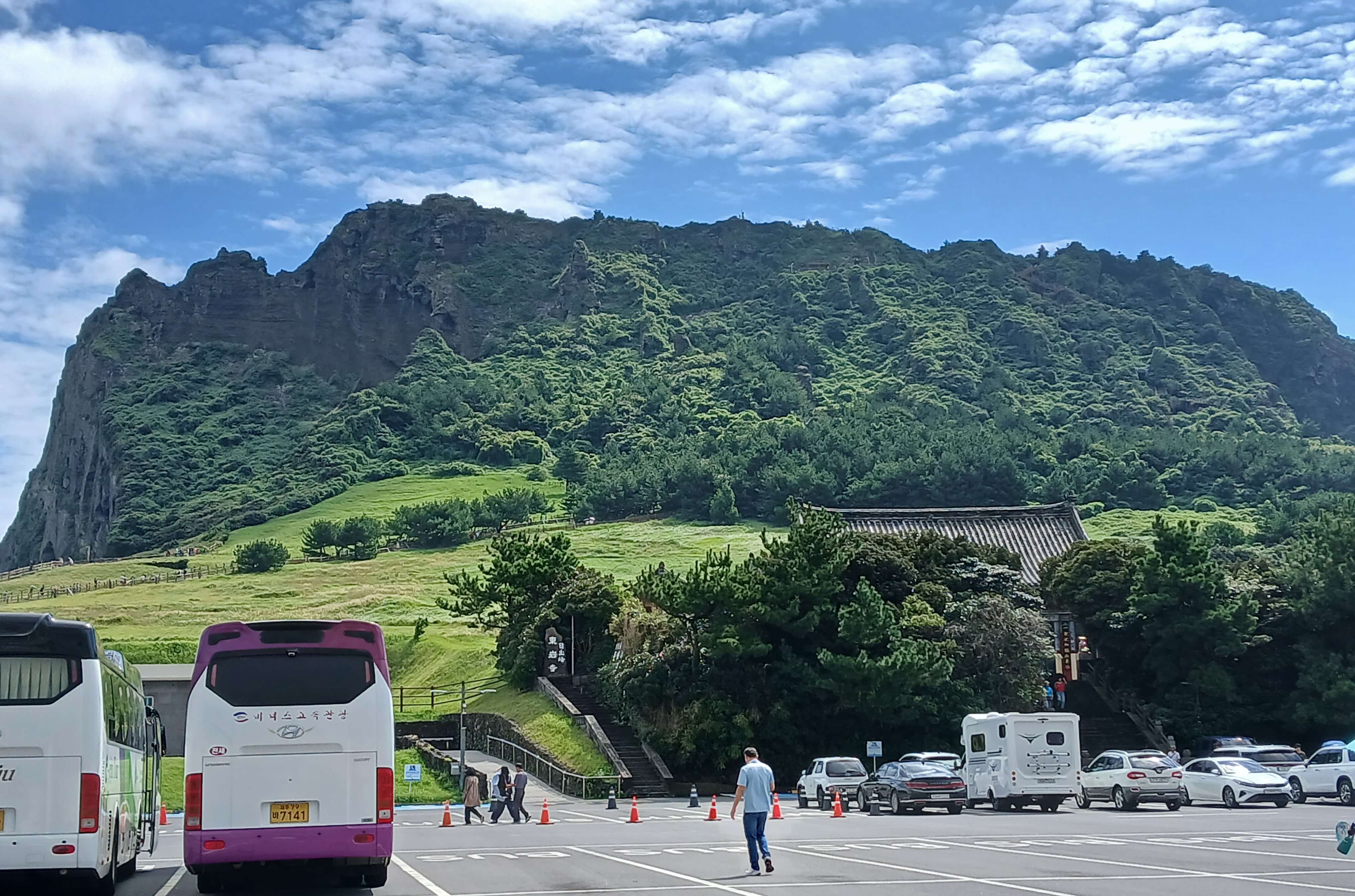
Seongsan Ilchulbong (Sunrise Peak)
A UNESCO World Heritage Site and one of Jeju's most iconic landmarks, this dramatic volcanic crater rises 180 meters above the eastern coastline. The 20–30 minute walk to the summit rewards visitors with sweeping panoramic views across the Pacific Ocean and down into the crater's grassy bowl. Best visited in the early morning when crowds are lighter and the light is ideal for photography. Often combined with nearby Seopjikoji or a ferry trip to Udo Island.
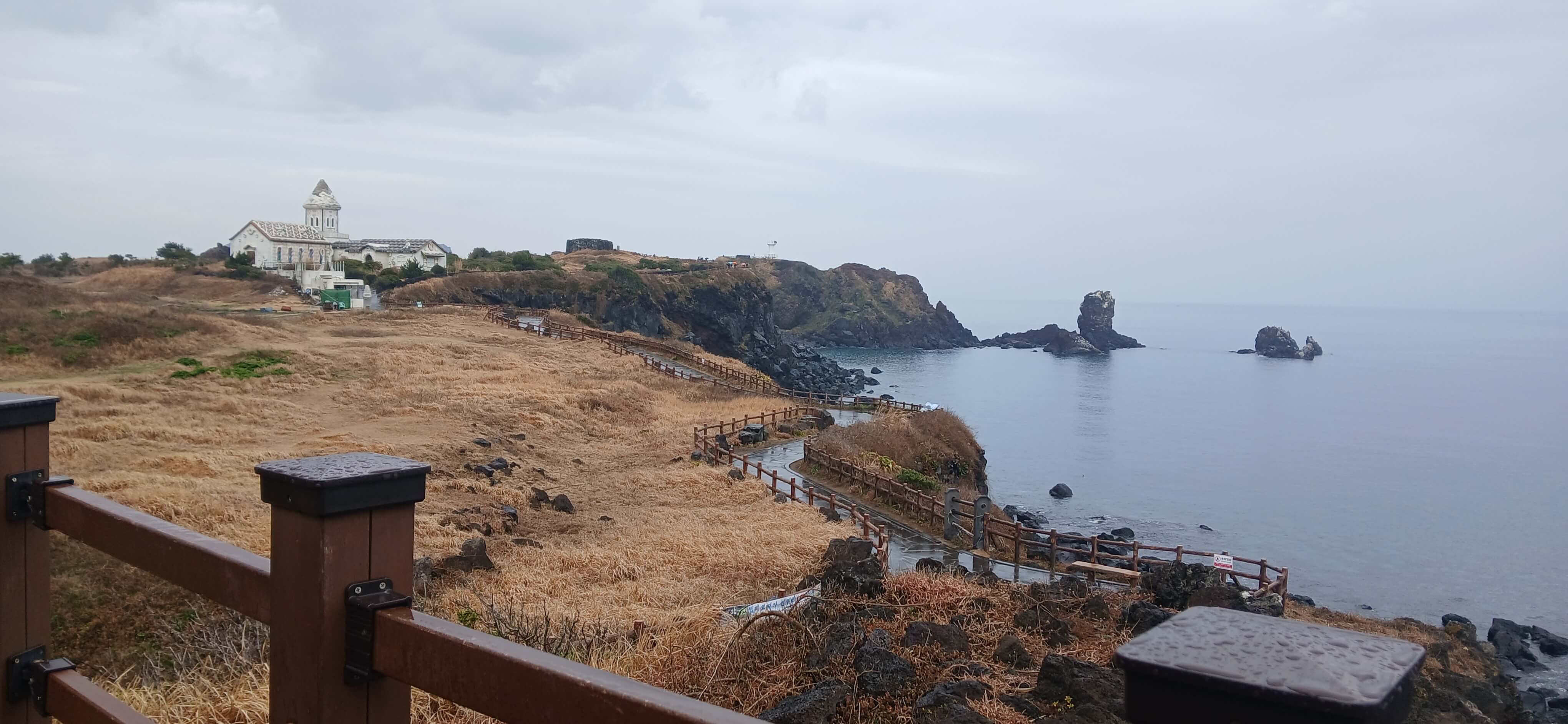
Seopjikoji
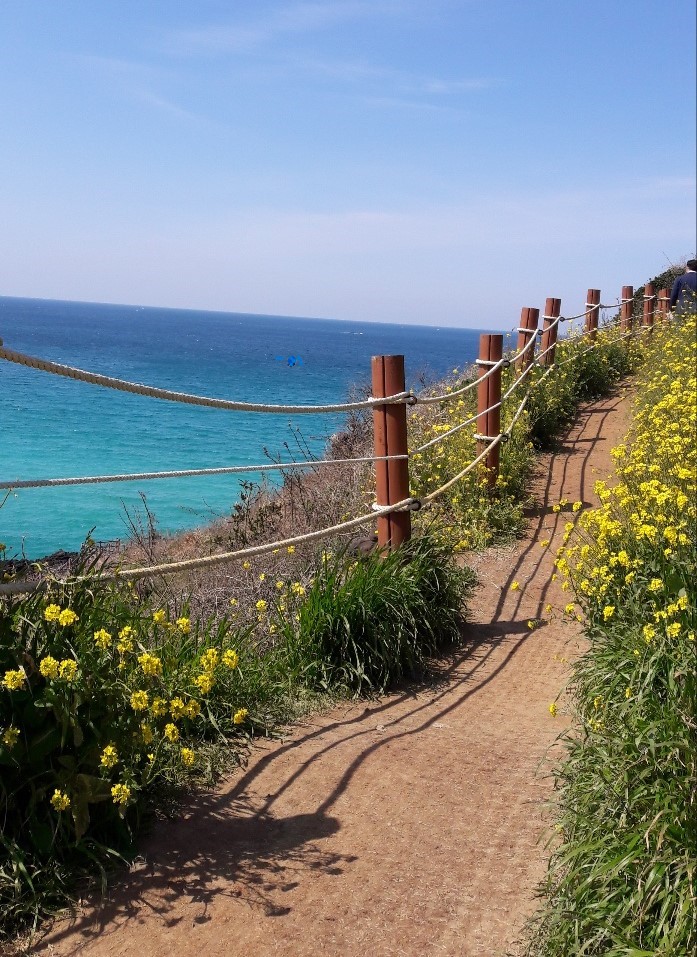
A serene coastal cape featuring gently sloping walking paths through wildflower meadows and along dramatic cliff edges. Known for its striking lava rock formations, historic white lighthouse, and unobstructed views of Seongsan Ilchulbong across the water. The landscape changes beautifully with the seasons—vibrant green in spring, golden in autumn. It pairs perfectly with Seongsan as a relaxed complement to the more active crater hike.
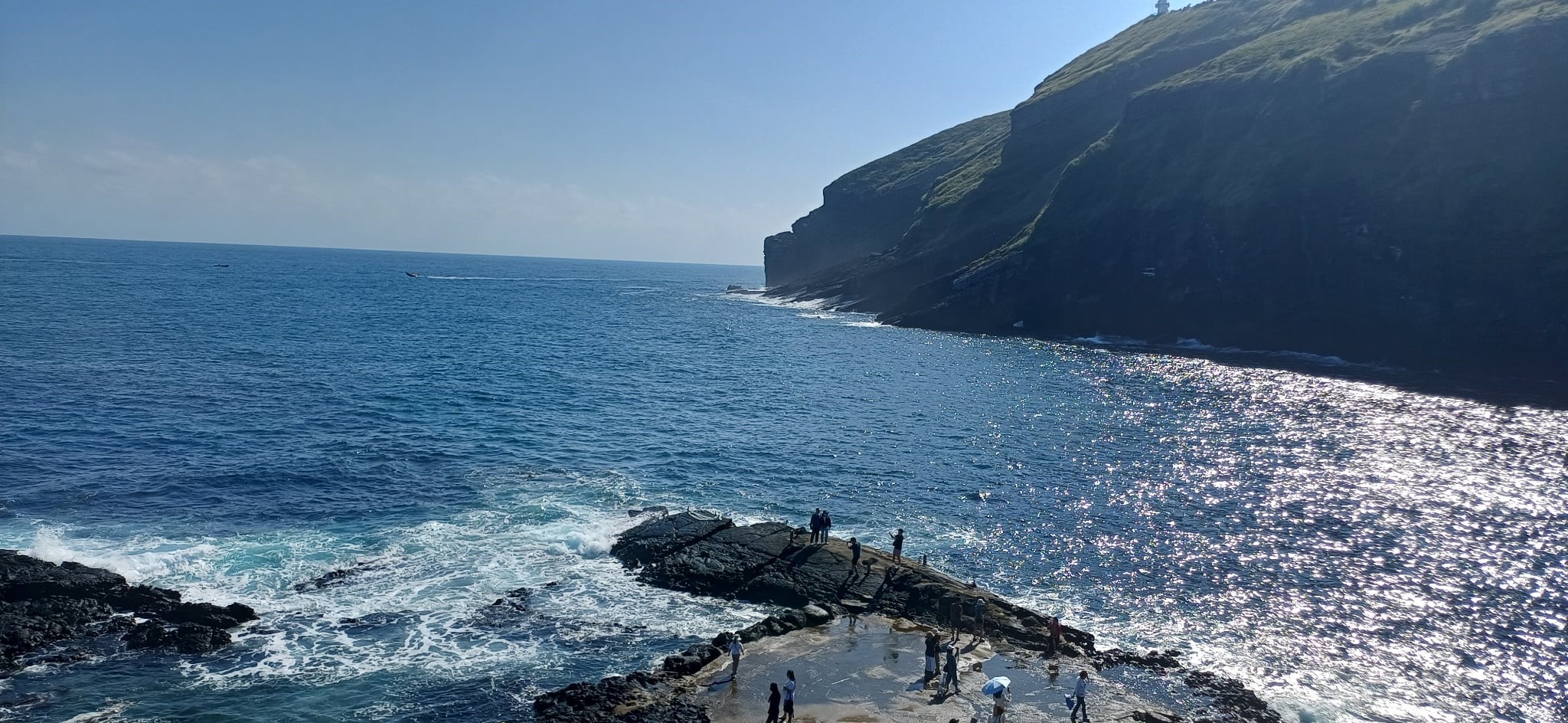
Image credit and thanks to Damon Gautama
Udo Island
A small island reached by a 15-minute ferry from Seongsan Harbor, offering a genuine "island within an island" experience. Perfect for exploration by bicycle, electric scooter, or shuttle bus. Famous for its turquoise waters, white coral sand beaches, and peanut ice cream specialty. The atmosphere is noticeably slower than mainland Jeju. Most visitors spend 2-4 hours here.
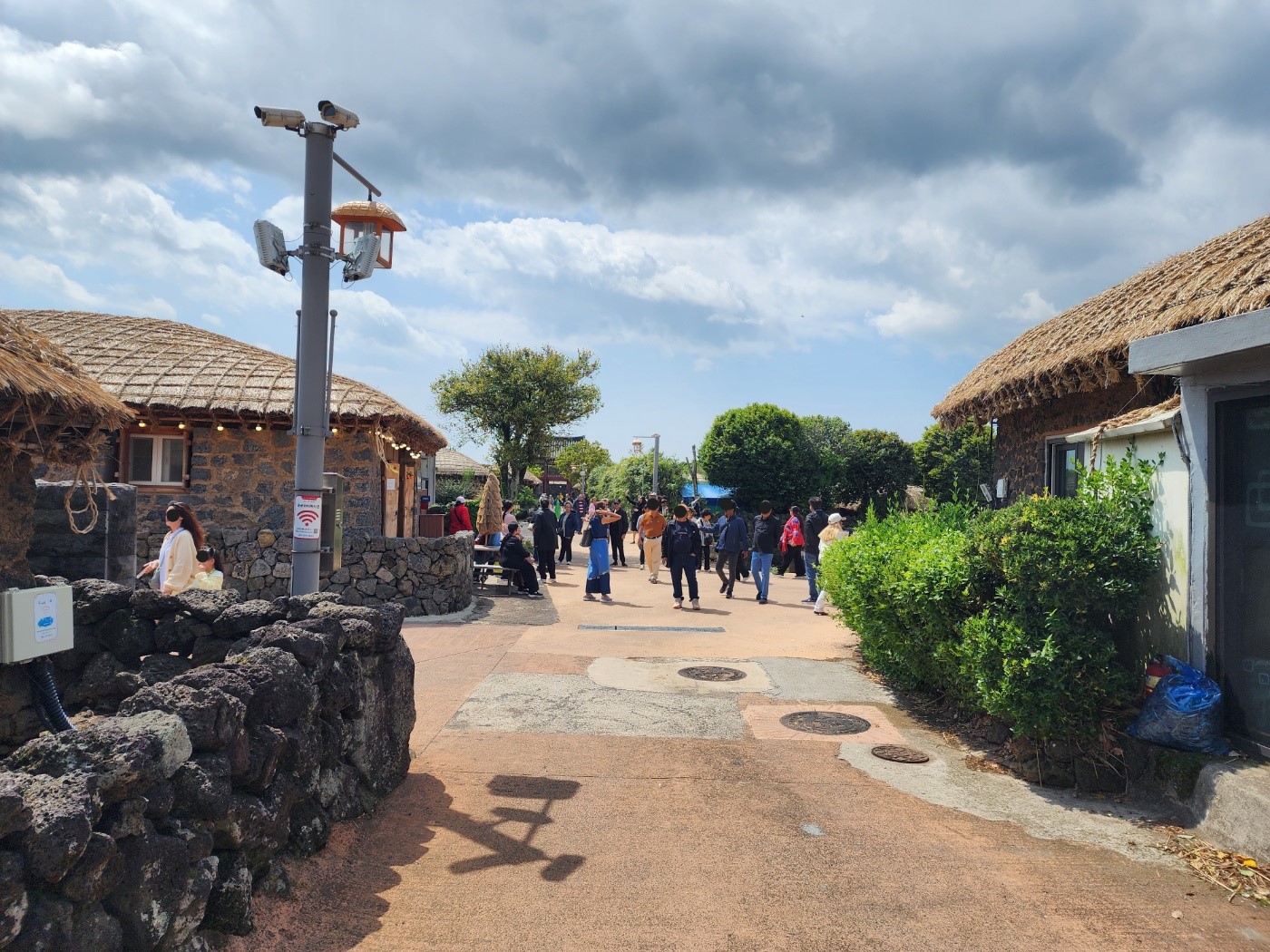
Seongeup Folk Village
A living museum preserving centuries-old Jeju architecture and traditional island culture with stone walls, thatched-roof houses, and narrow village lanes. Still home to local residents who maintain the old ways, offering demonstrations of traditional crafts and folk games. Showcases Jeju's famous Dol Hareubang statues and provides context for understanding the island's matriarchal haenyeo diving culture.
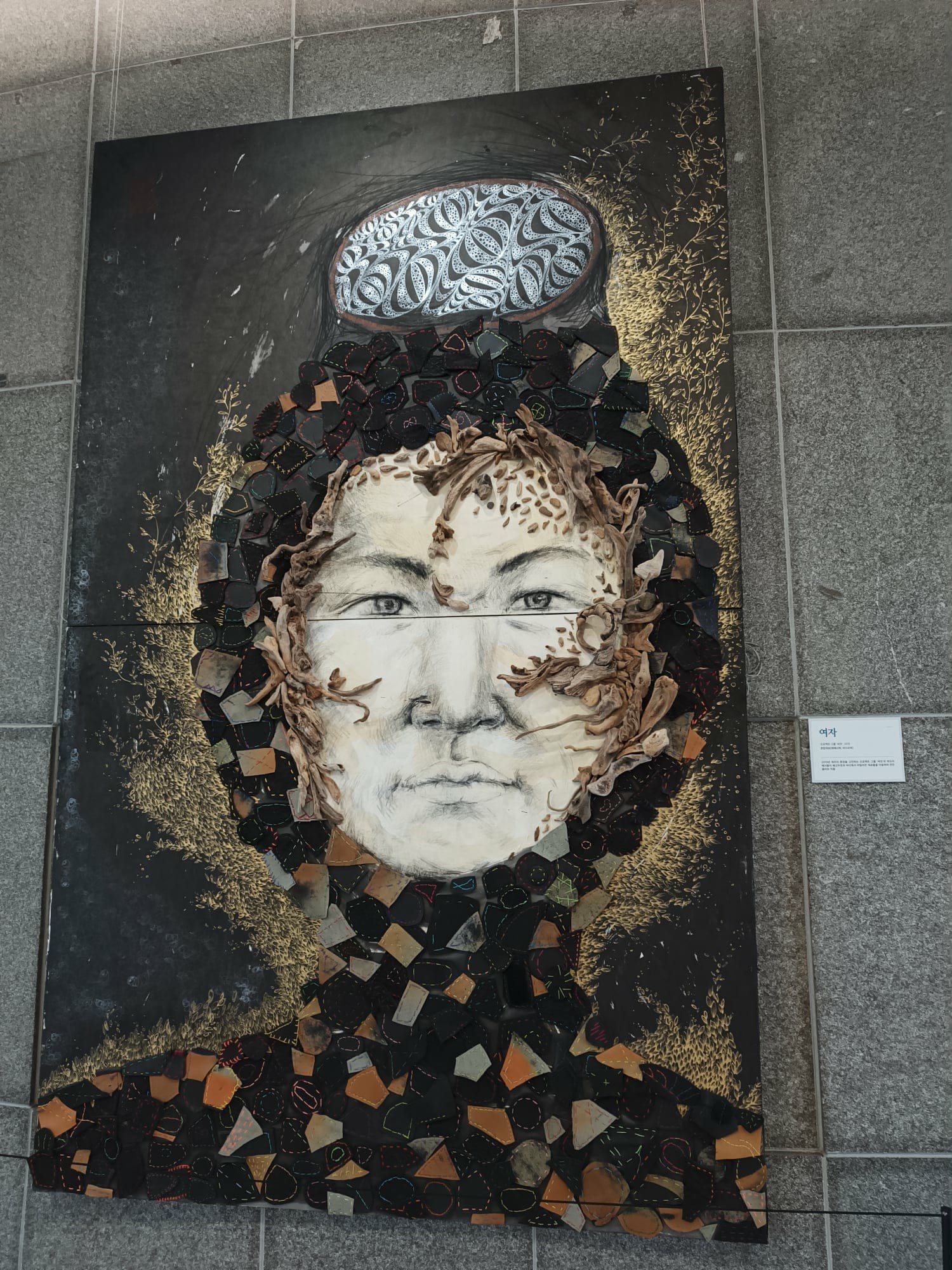
Image credit and thanks to Trica Mangat
Haenyeo Museum
A dedicated museum honoring Jeju's legendary women divers (haenyeo), whose free-diving traditions are recognized by UNESCO as Intangible Cultural Heritage. Through detailed exhibits, artifacts, documentary films, and personal stories, visitors gain insight into the physical demands and cultural significance of these remarkable women. An essential window into the matriarchal society that defines Jeju's identity.
Hamdeok Beach & Seoubong Peak
A vibrant coastal area offering one of Jeju's finest beach experiences alongside the striking volcanic cone of Seoubong Peak. Hamdeok Beach features pristine white sand and crystal-clear turquoise water, while the surrounding neighborhood has evolved into a welcoming hub with excellent accommodation options and a diverse dining scene that caters particularly well to international visitors. The adjacent Seoubong Peak provides a scenic hiking trail with rewarding coastal views, making this area perfect for combining beach relaxation with light volcanic exploration in a single visit.
Sangumburi Crater
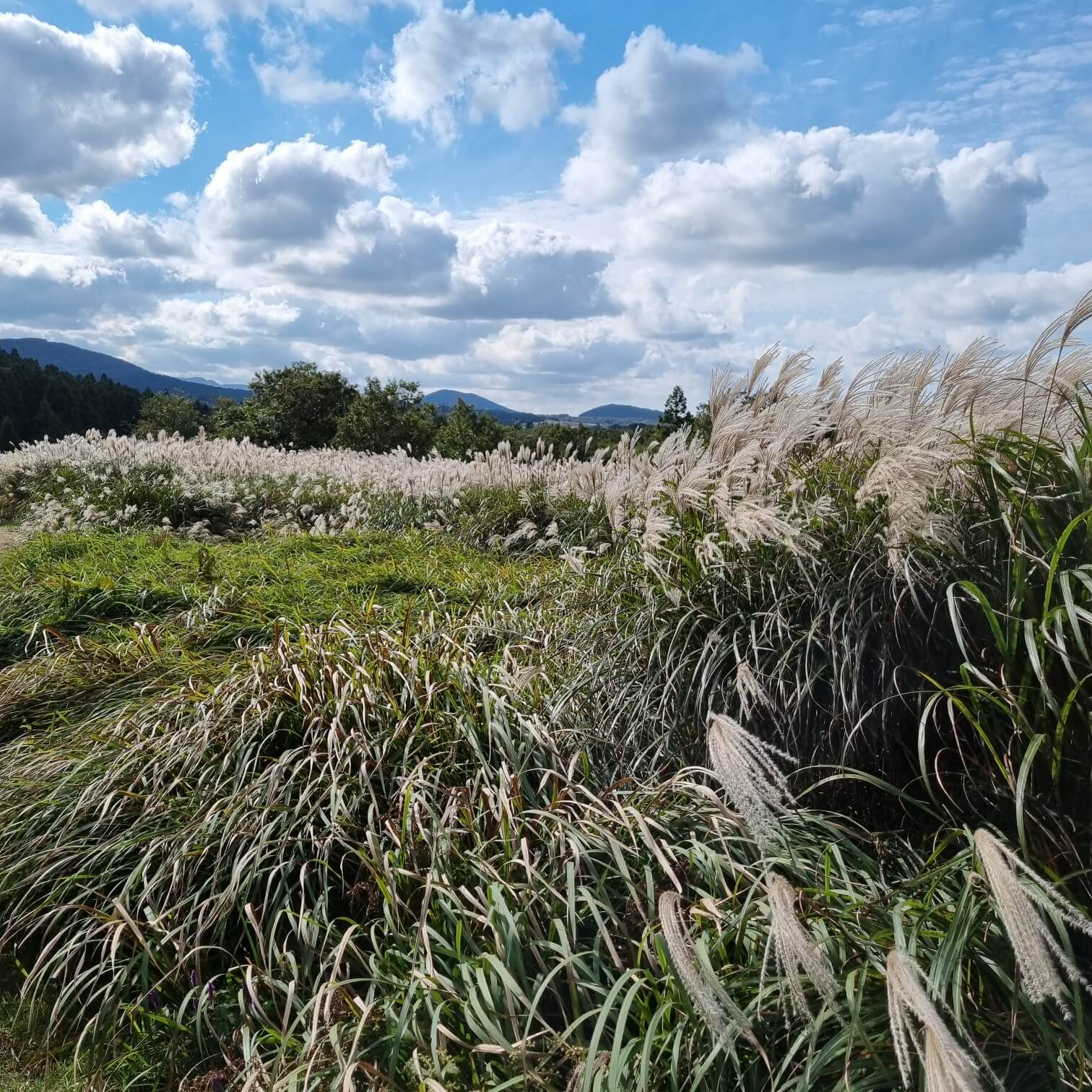
A wide, gently accessible volcanic crater offering visitors a chance to walk the rim while taking in sweeping views of the surrounding countryside. The crater floor is covered in seasonal grasses—including varieties similar to pampas grass that create stunning golden waves in autumn and soft green carpets in spring and summer. The smooth, level walking paths make this ideal for all ages and fitness levels.
I would love to be your local English-speaking guide for your Jeju self-drive experience..
Jessica – Guide Only InquiryNorth Jeju Attractions
Iho Tewoo Beach
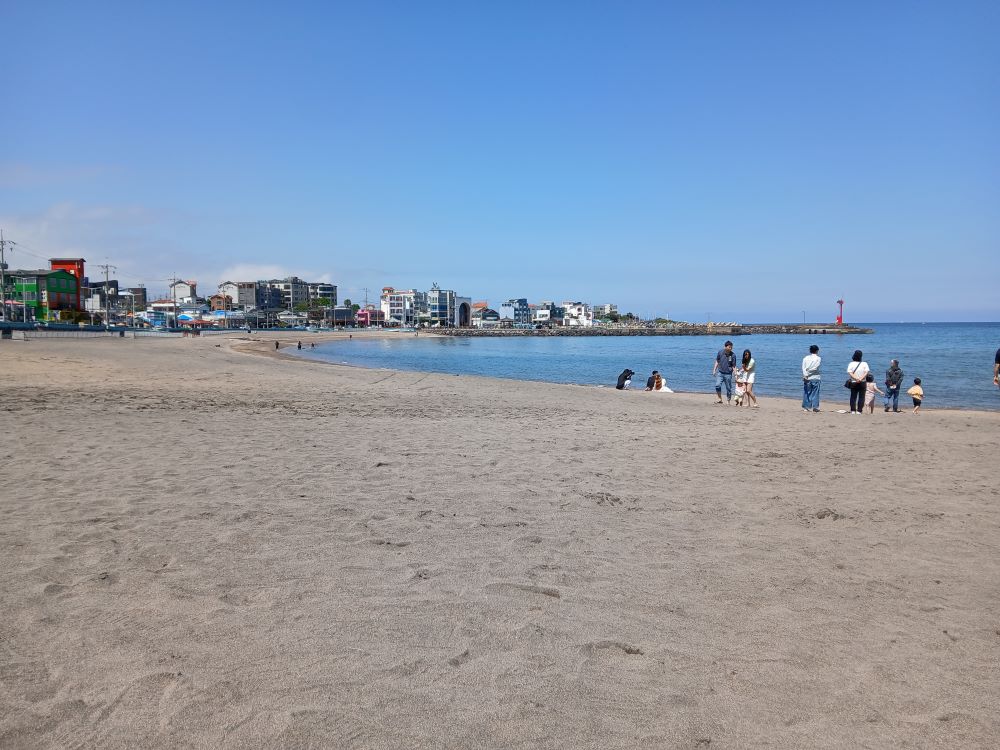
A relaxed, local beach on Jeju City's western edge, popular with residents and an easy introduction to Jeju's coastline. At the end of the breakwater you'll find its two colourful horse-shaped lighthouses, a favourite with photographers, especially at sunset when the sky lights up behind them. Its location a short drive from the airport makes it an easy first or last stop of your stay, and it combines naturally with Yongduam Rock, which is just along the coast.
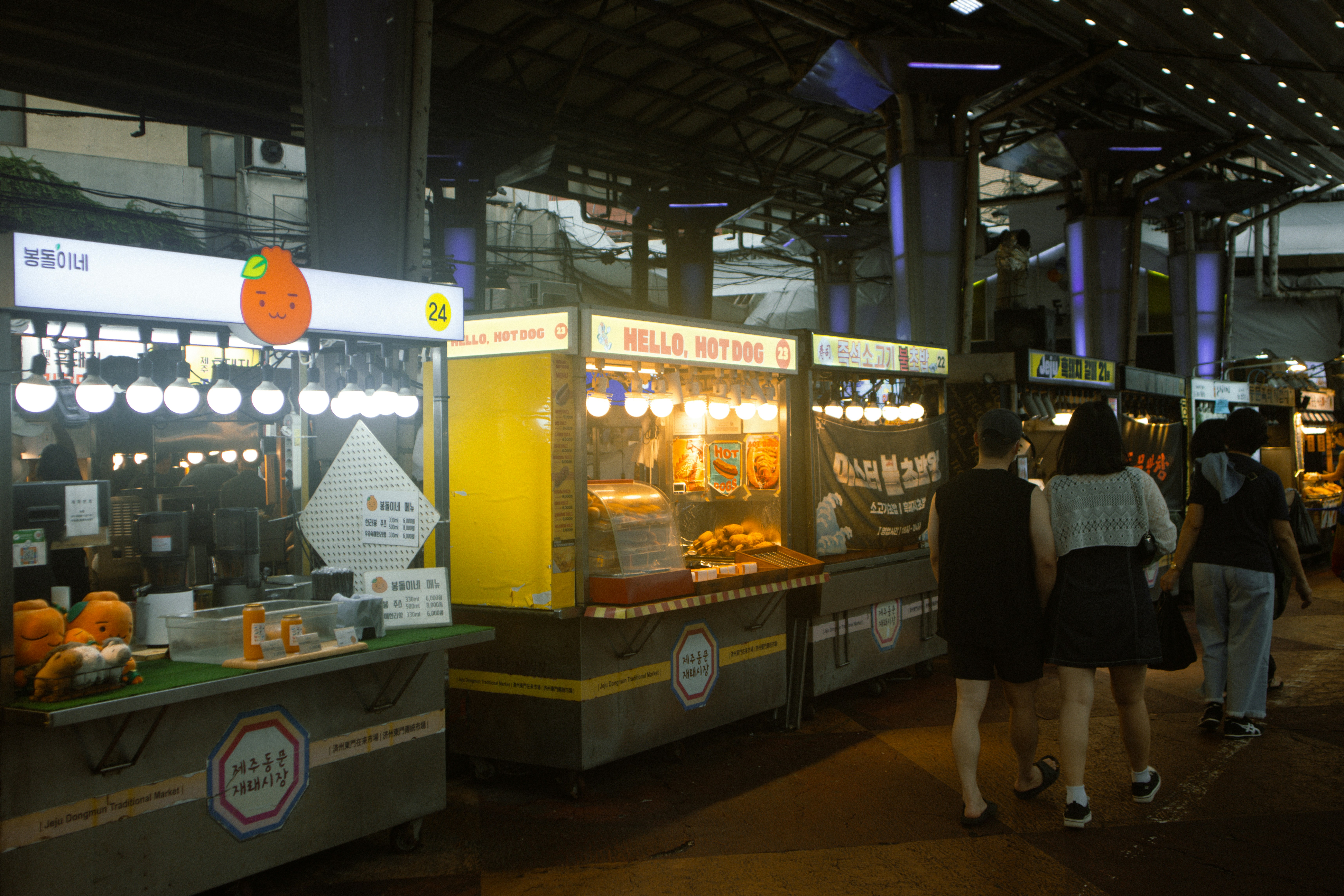
Photo by Yeojin Yun on Unsplash
Dongmun Traditional Market
Jeju City's best-known market, and a lively way to see everyday island life. Narrow covered lanes are packed with fresh seafood, Jeju tangerines and Hallabong, local produce, and street food stalls, with plenty of snacks to try as you wander. The night market stalls open in the evening and are a highlight for street food, though hours vary, so check with the market if you need definite opening times and other details before you go. It's a natural stop on the way to or from Yongduam Rock, which is only a short distance away, and a good rainy-day option when you'd rather be undercover.
Yongduam Rock (Dragon Head Rock)
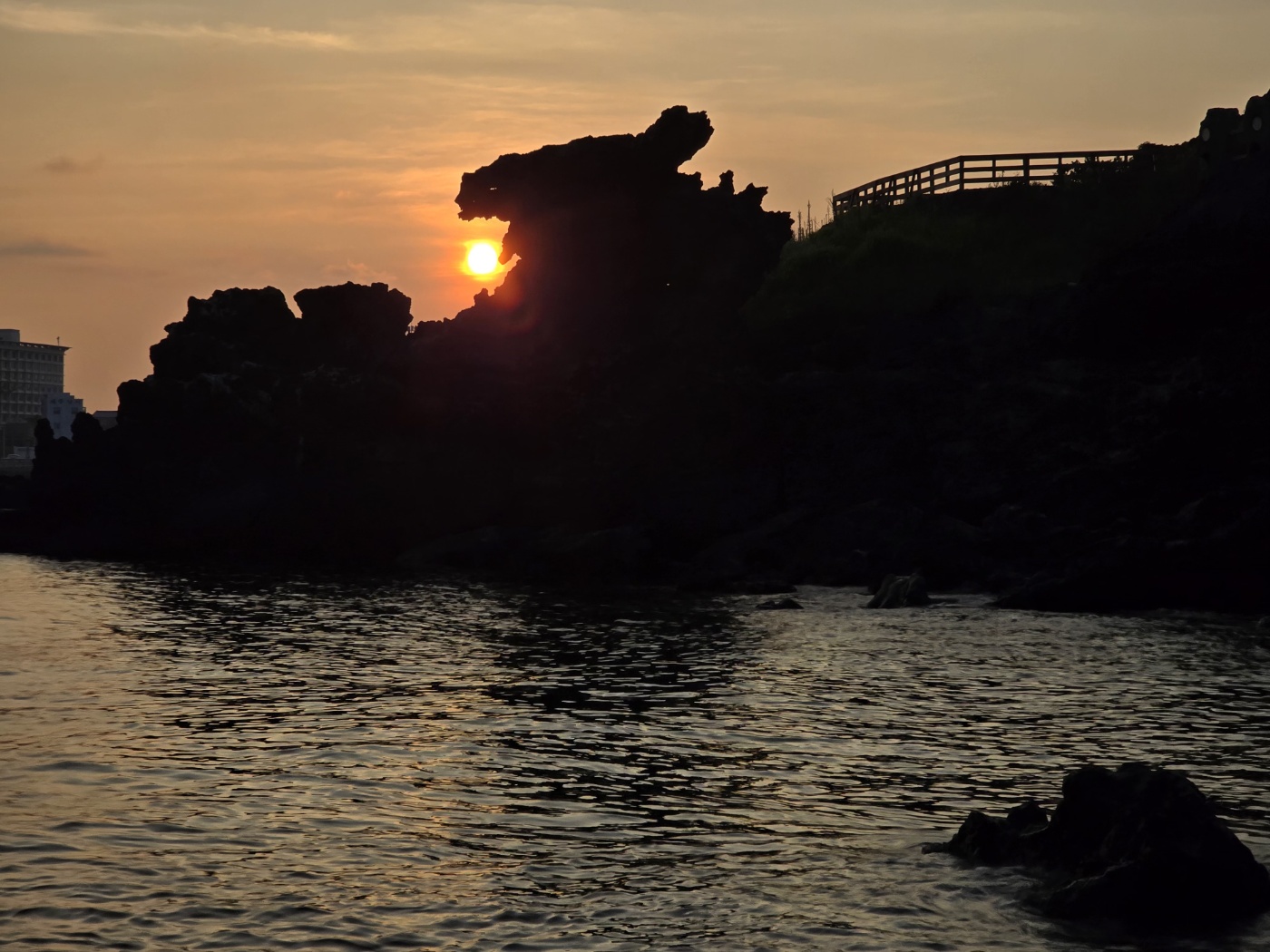
A striking coastal rock formation shaped by volcanic activity and ocean erosion, resembling a dragon's head gazing out to sea. Located along Jeju City's northern coastline, this natural landmark has become one of the island's most recognized symbols. According to local legend, the rock was once a dragon turned to stone while attempting to reach the heavens. Particularly photogenic at sunset when golden light illuminates the rock's dragon-like features.
Gwaneumsa Temple
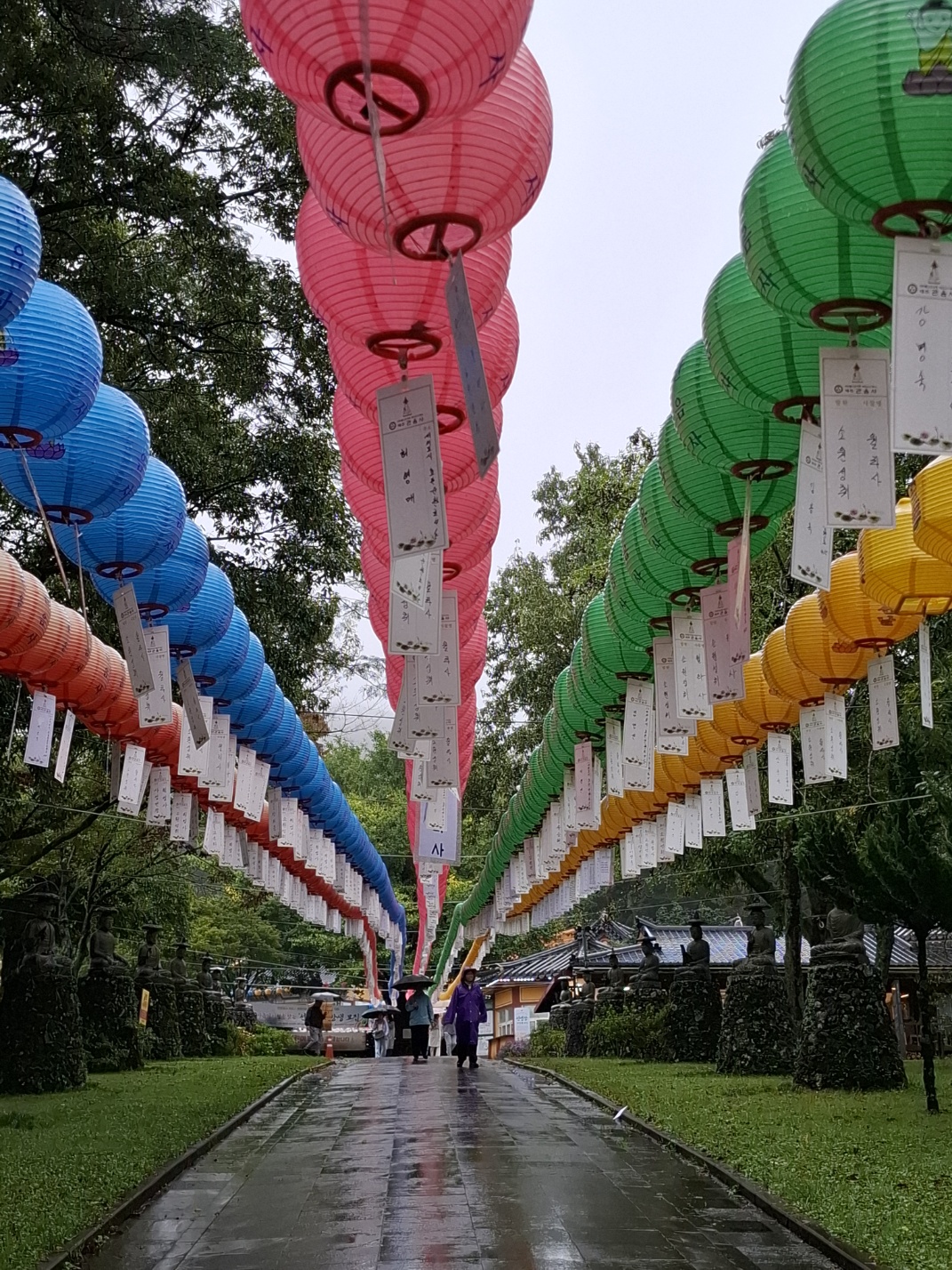
A serene Buddhist temple nestled in Jeju's forested landscape, known for its peaceful atmosphere and beautiful traditional architecture. The temple features vibrant prayer lanterns, well-maintained grounds, and mountain views that create a contemplative setting away from coastal crowds. Visitors can experience authentic Korean Buddhist culture while enjoying the natural surroundings. Due to its central location on the northern slope of Hallasan, this attraction could work for either west or east route exploration.
Hallasan National Park
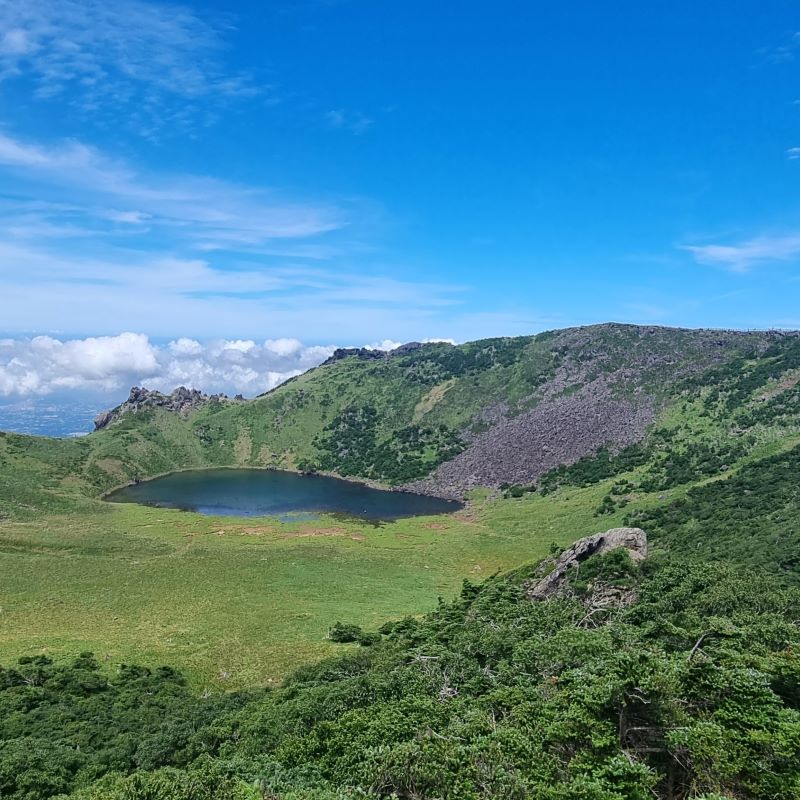
The crater lake at the summit of Hallasan
Hallasan (Mount Halla)
South Korea's highest mountain at 1,947 meters, Hallasan sits at the very heart of Jeju and is part of the island's UNESCO World Heritage listing. At its summit lies the crater lake, Baengnokdam, the reward for a long full-day hike up one of the two summit trails. You don't need to reach the top to enjoy the mountain though: shorter trails such as Eorimok and Yeongsil lead up through forest and open volcanic landscape to wonderful viewpoints in just a few hours return. It's the volcano that formed the island, and it's also the reason Jeju divides so neatly into regions.
Worth knowing: the park opens at 5am from May to August and 6am from September to April, and closes around 6pm. The two summit routes, Seongpanak and Gwaneumsa (which starts near Gwaneumsa Temple, listed above), have strict late-morning entry cut-offs, and reservation rules for them have changed in the past, so check the official Hallasan National Park site before you plan your day around it. The shorter Eorimok and Yeongsil trails don't reach the crater but are far more relaxed to plan. Mountain weather can change quickly, so see our Jeju weather and safety information before you set out.
West & South Jeju Attractions
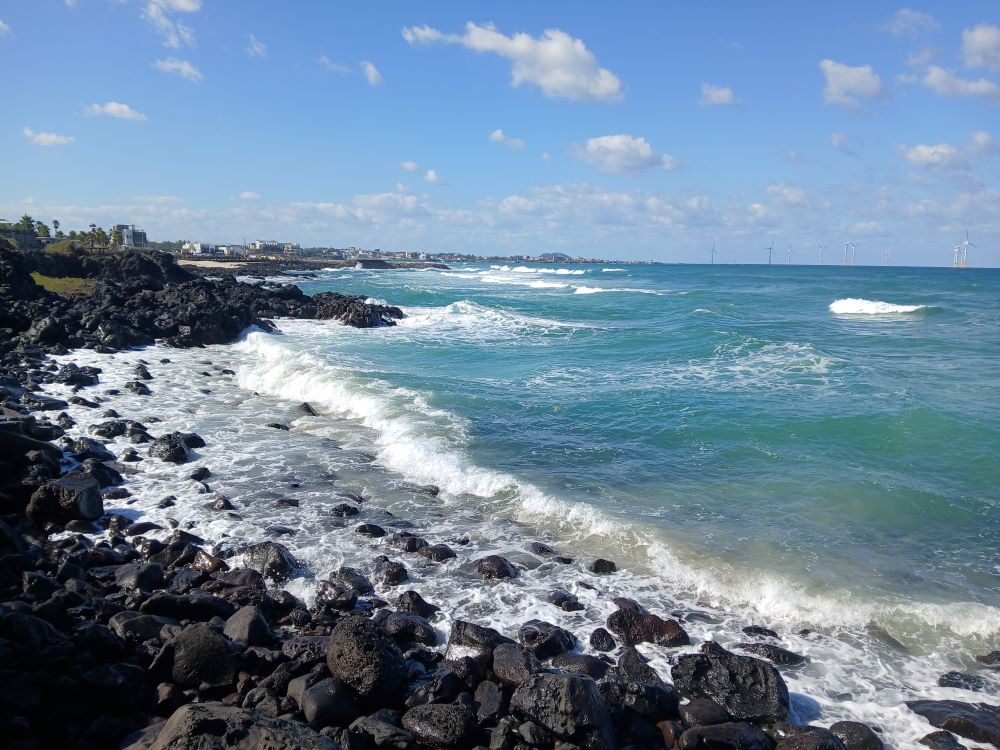
Aewol Coast & Handam Coastal Trail
One of Jeju's most beautiful stretches of coastline, where dark volcanic rock meets clear blue ocean along the shore near Gwakji Beach. The Handam coastal trail follows the water's edge past rugged basalt formations, small coves and views out across the sea, an easy and rewarding walk for almost any fitness level. Aewol's famous café street is close by, so it's easy to pair a stroll with a coffee stop, and the area is especially lovely at sunset. It's also a natural starting point for a day self driving west and south, through Hyeopjae and beyond.
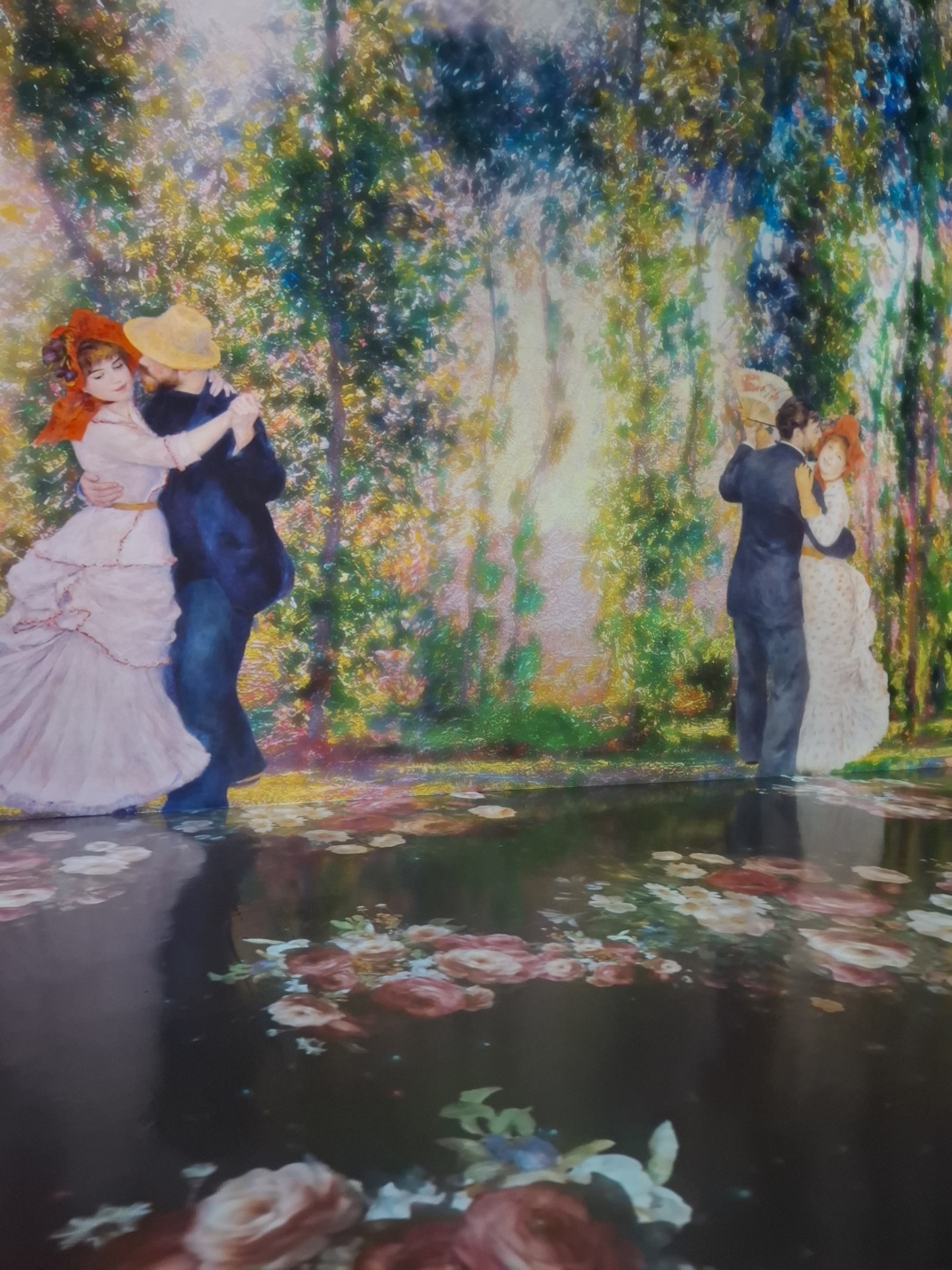
Arte Museum Jeju
An immersive media art museum in Aewol, housed in a former speaker factory, where huge projections of light and sound fill the walls, floors and ceilings. The exhibitions take their inspiration from nature and the idea of an island, and it's easy to lose an hour or two wandering through the rooms. There's even a café where your tea is served inside the artwork itself. Opening hours are typically 10am to 8pm with last entry around 7pm, but check the museum's official site for current hours and tickets before you go. A good choice for a rainy day or a relaxed evening stop, just a short drive inland from the Aewol coast, so it pairs easily with a coastal walk and a café stop.
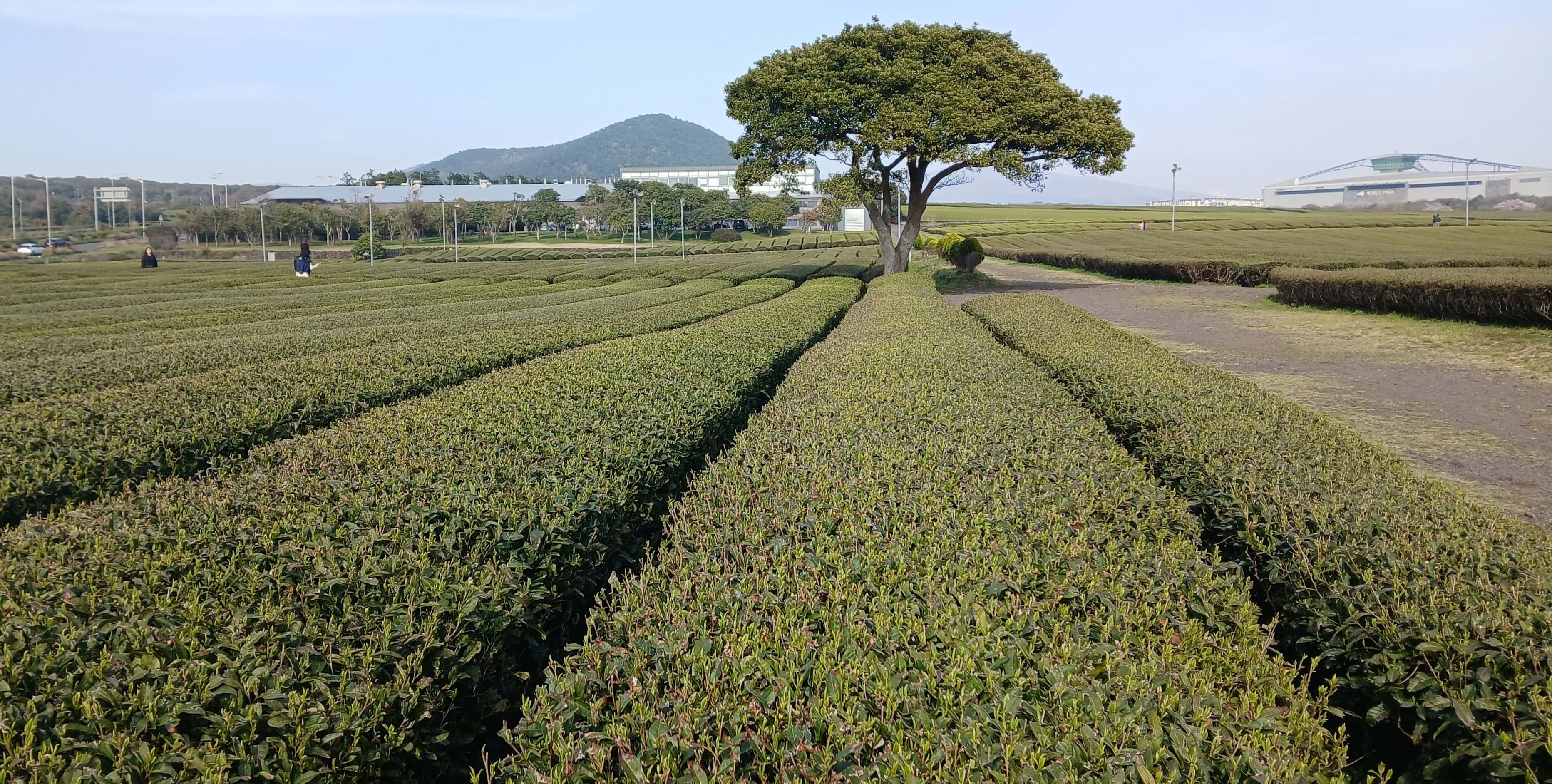
O'Sulloc Tea Museum & Green Tea Fields
A beautifully designed museum celebrating Korea's tea heritage, set amid rolling hills of vivid green tea plantations. Visitors can explore interactive exhibits on tea cultivation, sample premium green tea beverages and desserts, and browse an elegant shop. The surrounding tea fields provide some of Jeju's most iconic photo opportunities—especially in spring when new growth creates the most vibrant shades of green.
Within the O'Sulloc complex, you'll find Innisfree Jeju House, the flagship store of Korea's popular natural cosmetics brand. Innisfree, owned by the same company as O'Sulloc (Amorepacific), creates skincare and beauty products using Jeju's natural ingredients including green tea, volcanic clay, and tangerine. The beautifully designed space allows visitors to explore the full range of Innisfree products, with knowledgeable staff available to provide recommendations. Beyond cosmetics, the store offers Jeju-themed souvenirs, premium teas, and delicious green tea cookies that make perfect gifts.
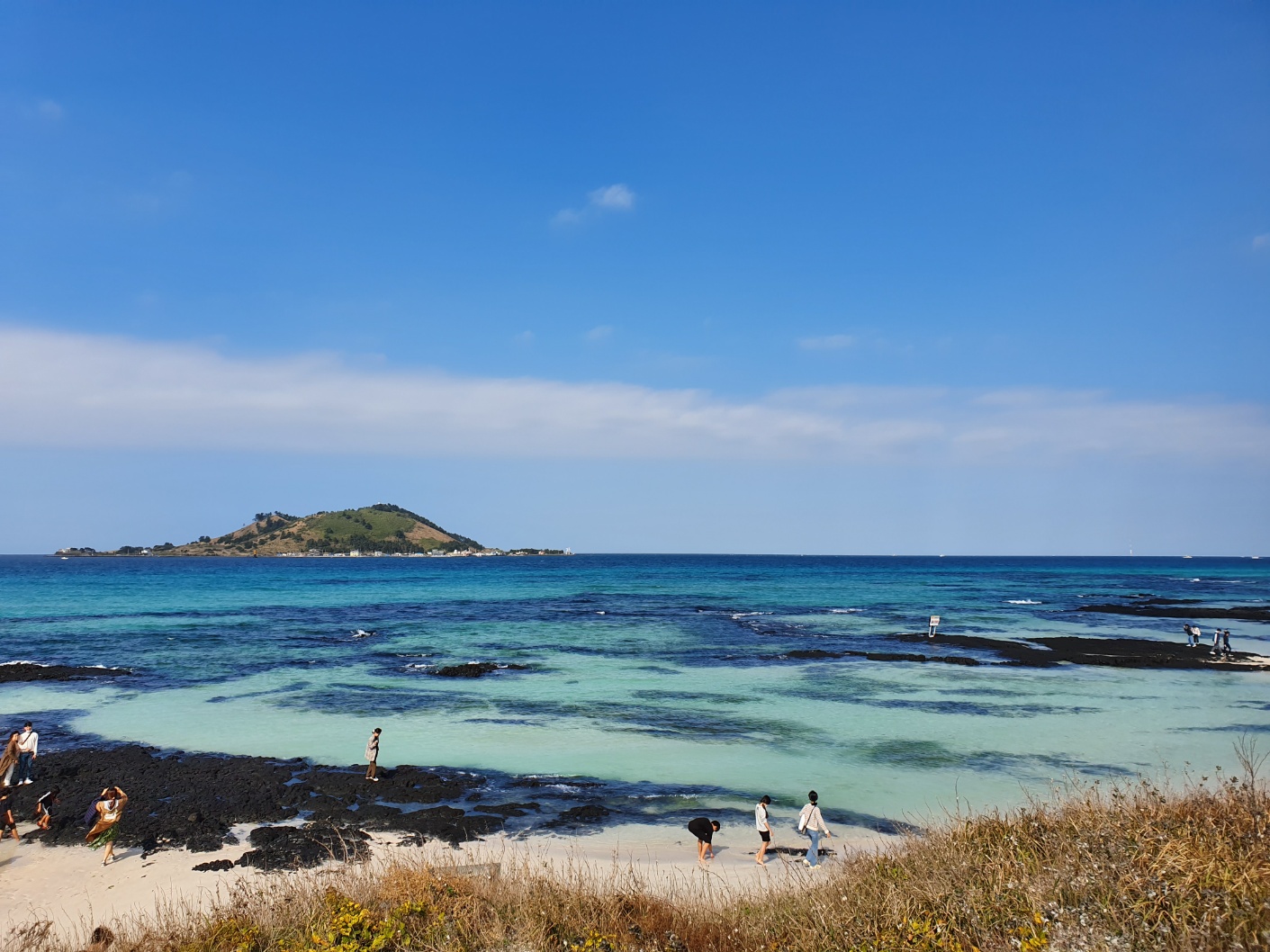
Hyeopjae Beach
A stunning expanse of fine, light-colored sand bordered by shallow, crystal-clear water that reveals intricate patterns at low tide. The beach stretches for nearly a kilometer, and the gentle slope makes it particularly safe for families with children. Backed by a dense pine forest offering natural shade and scenic contrast to the bright coastal landscape. Located very close to Hallim Park for easy combination.
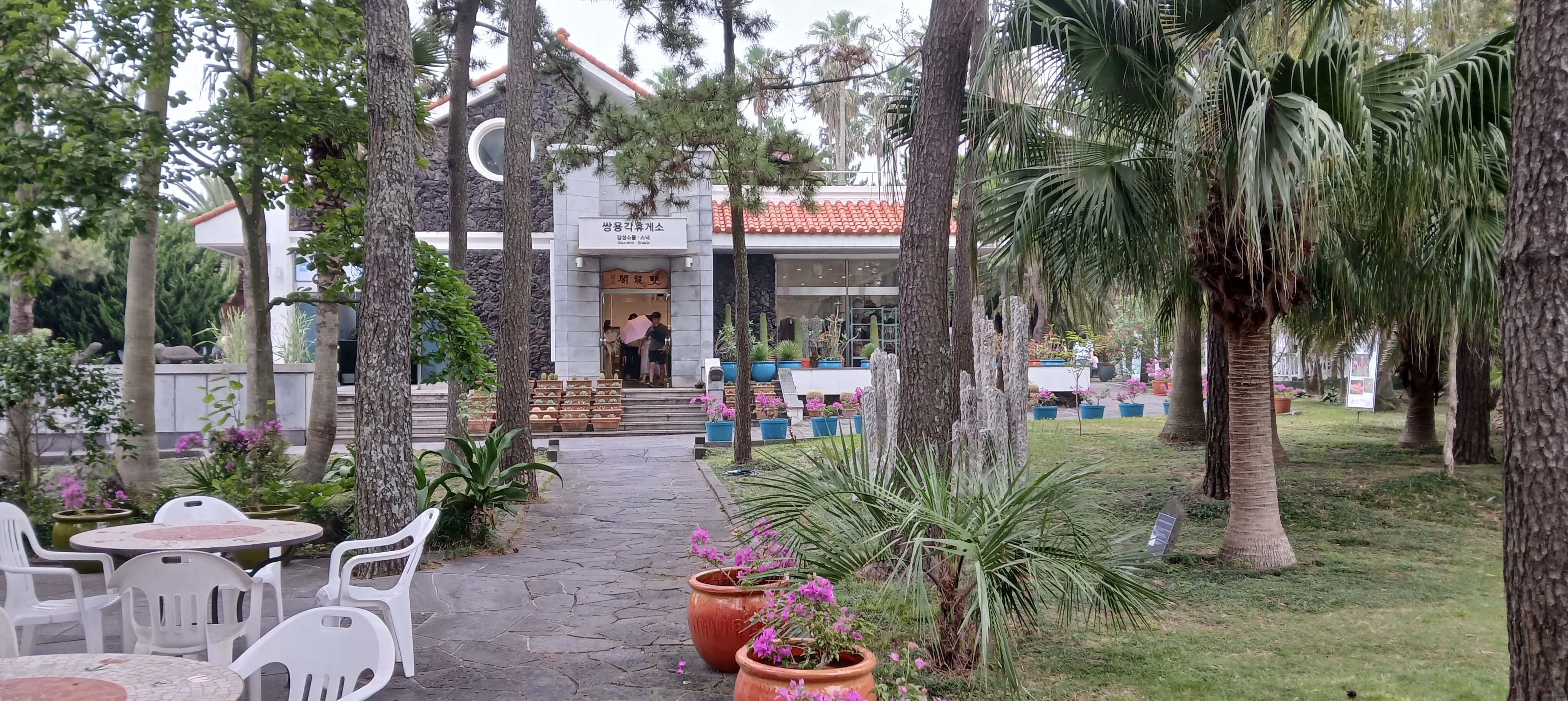
Hallim Park
A large botanical garden park featuring diverse themed zones including subtropical plant gardens, bonsai collections, folk village reconstructions, and two impressive lava tube caves. Well-maintained walking routes guide visitors through changing landscapes from colorful flower displays to traditional Jeju architecture. Particularly family-friendly, offering varied experiences without requiring strenuous activity. Each season brings different highlights from spring blossoms to autumn foliage.
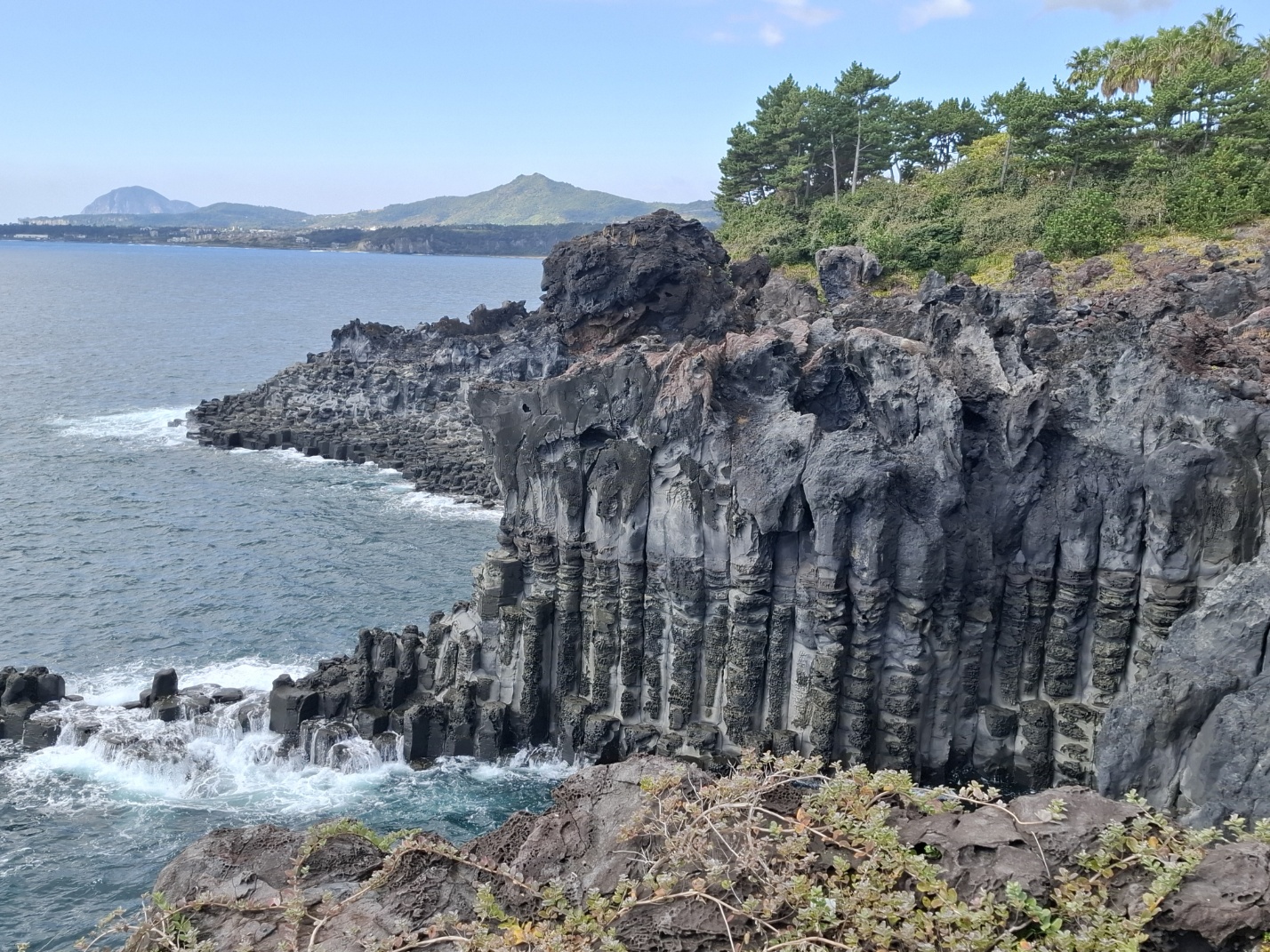
Jusangjeolli Cliff
One of Jeju's most dramatic natural wonders, featuring towering hexagonal basalt columns rising vertically from the ocean like a massive stone pipe organ. These geometric formations were created when lava rapidly cooled upon contact with seawater. Well-positioned viewing platforms allow visitors to safely observe the columns and watch powerful waves crash against the base. Particularly impressive during high tide or stormy weather.
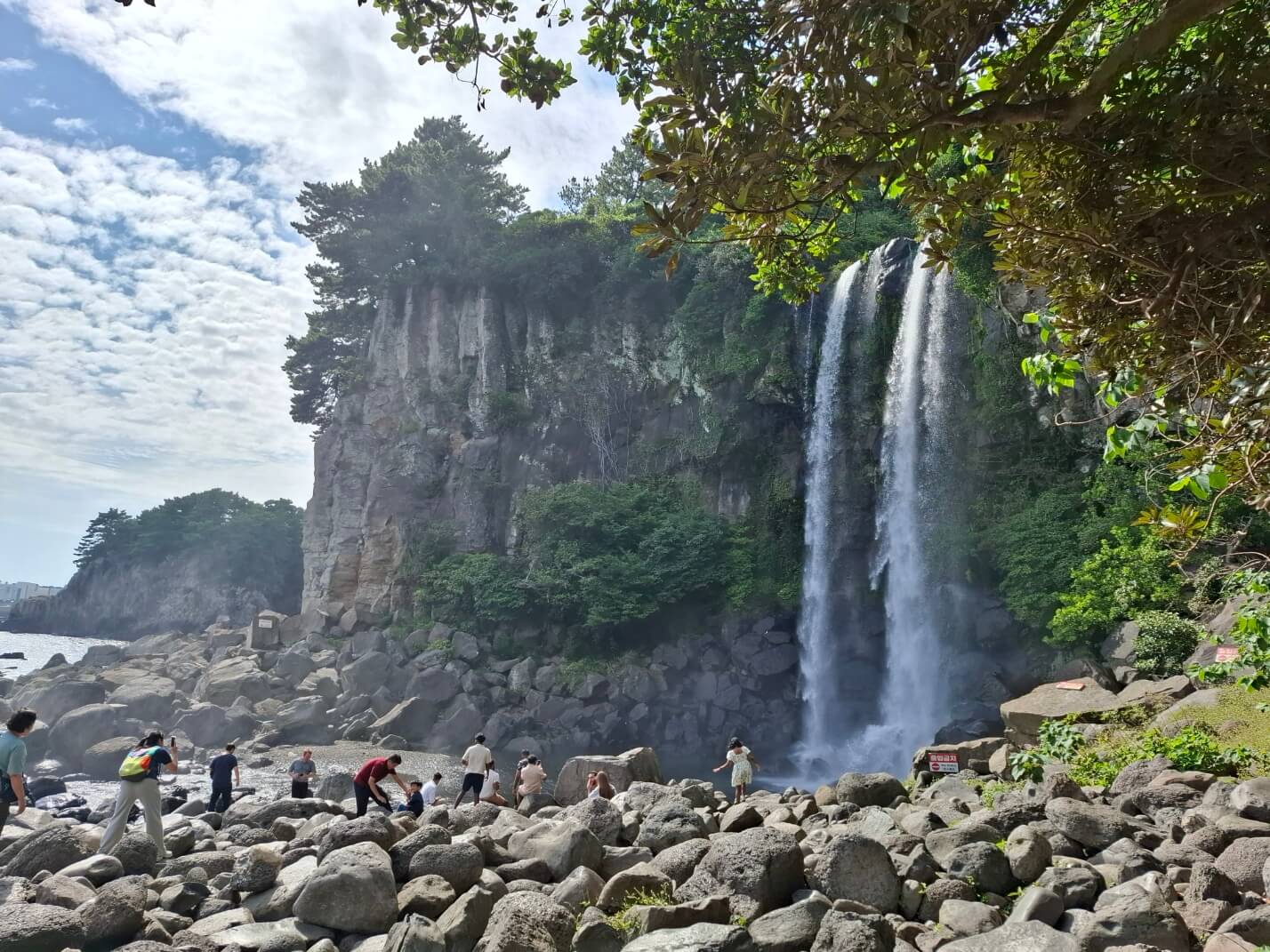
Jeongbang Waterfall
One of the few waterfalls in Asia that falls directly into the ocean, creating a dramatic spectacle where fresh water cascades 23 meters down a coastal cliff face to meet the sea. The viewing area allows visitors to approach remarkably close to the falls, feeling the mist and hearing the powerful rush of water hitting the rocks below. Surrounded by lush vegetation and accessible via well-maintained stone steps, Jeongbang offers excellent photography opportunities and a unique coastal waterfall experience that sets it apart from Jeju's inland falls.
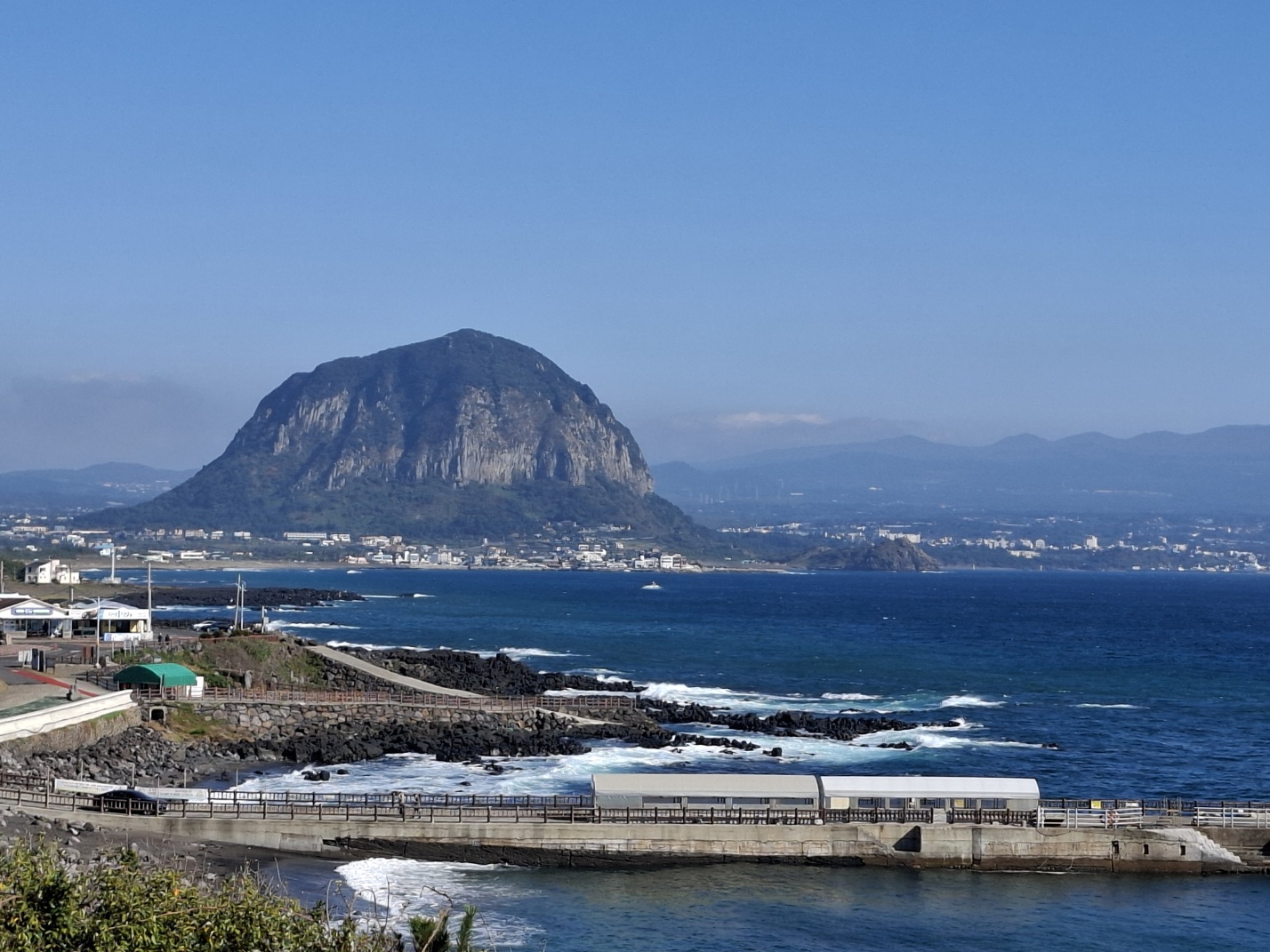
Sanbangsan Mountain
A distinctive bell-shaped volcanic mountain rising dramatically from the southwestern coastline, offering some of Jeju's most spectacular panoramic views across the ocean, neighboring islands, and fertile agricultural plains. The moderately steep climb takes approximately 20-30 minutes up stone steps to a natural cave near the summit. On clear days, you can see Marado Island and observe how Jeju's volcanic landscape meets the sea.
Interactive Jeju Island Attractions Map
(Click dots to see attraction details)
Tip: For best experience, rotate your device to landscape, then tap the Map button.
Note: This map shows only very approximate locations of the attractions concerned.
I would love to be your local English-speaking guide for your Jeju self-drive experience..
Jessica – Guide Only InquiryMore Things to Do in Jeju Island
(A small selection of some of the other popular attractions in Jeju)
These locations can be explored in different ways depending on your route preferences.
- Camellia Hill – Seasonal flower gardens and quiet walking paths.
- Geumneung Beach – A quieter beach near Hyeopjae with calmer atmosphere.
- Sinchang Windmill Coastal Road – Coastal walking route with wind turbines.
- Jeju Stone Park – Outdoor stone sculptures based on Jeju's volcanic history.
- Saryeoni Forest Path – A long, peaceful forest trail suitable for slow walking.
- Bijarim Forest – Gentle walking pathways among ancient Torreya trees.
- Jungmun Tourist Complex – Resort area with beach access and varied attractions.
- Seogwipo Olle Market – Traditional market for snacks, produce, and local goods.
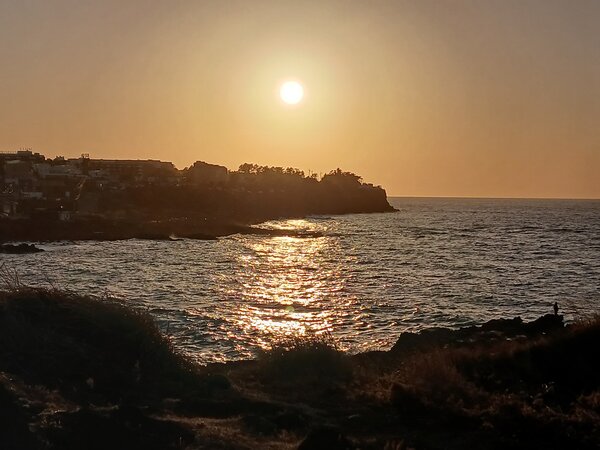
Jeju Sunset
Understanding Jeju's Natural Heritage
The attractions you'll visit across Jeju Island tell the story of millions of years of volcanic activity that shaped this remarkable landscape. Jeju was formed entirely through volcanic eruptions, with Hallasan Mountain at its center representing the island's volcanic origins. This geological significance earned Jeju recognition as a UNESCO World Heritage Site in 2007, with the designation covering the island's volcanic features, including the dramatic lava tube systems.
As you explore the island's diverse attractions, you'll encounter the distinctive black volcanic stone that characterizes Jeju's landscape. Traditional stone walls crisscross the countryside, built low and thick to withstand the island's strong coastal winds. The iconic Dol Hareubang statues—stone grandfather figures carved from this same volcanic rock—stand guard at village entrances and cultural sites, their enigmatic expressions having become symbols of Jeju itself. To learn more about the island's history and culture, visit our About Jeju page.
Seasonal Considerations for Your Visit
Jeju Island transforms dramatically with each season, and understanding these changes helps visitors appreciate the attractions at their best. Spring brings cherry blossoms and vibrant canola flowers that paint coastal areas in brilliant yellow, particularly stunning at locations like Seopjikoji. Summer sees the island at its greenest, with waterfalls like Jeongbang flowing at their most impressive volume, though this season also brings occasional monsoon rains.
Autumn is favored by many travelers for its stable weather and spectacular natural displays, and because of this it's a very busy season in the Jeju private tour calendar, which is why exploring Jeju in a rental car with a local English-speaking guide can be a practical alternative.The silver grass waves across hillsides near Sangumburi Crater, while maple leaves add color to mountain temples like Gwaneumsa. Winter offers a quieter experience with mild coastal temperatures, though Hallasan Mountain receives snow that creates beautiful winter landscapes. The island's subtropical climate means year-round accessibility to most attractions, though the local saying reminds visitors that "Jeju has four seasons in one day," so bringing layers is always wise regardless of when you visit.
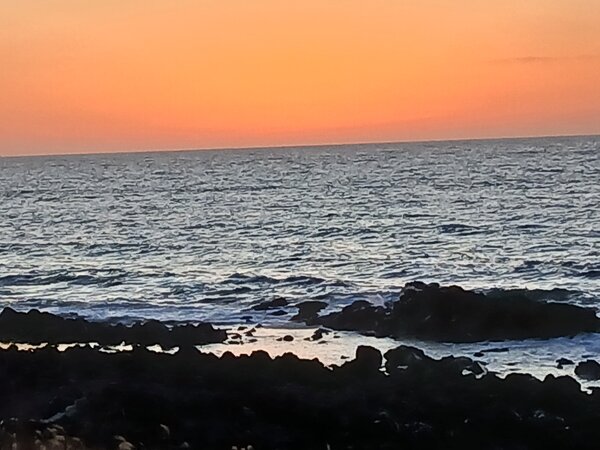
Colorful Jeju Sunset
Cultural Depth Beyond Natural Beauty
While Jeju's volcanic landscapes and coastal scenery draw millions of visitors annually, the island's cultural heritage adds profound depth to any visit. The haenyeo diving tradition, recognized by UNESCO as Intangible Cultural Heritage, represents centuries of unique island culture where women were often the primary breadwinners. These remarkable divers can descend up to 10 meters without breathing equipment, a practice that shaped Jeju's distinctive matriarchal society.
Traditional Jeju architecture, visible at sites like Seongeup Folk Village, reflects adaptation to the island's environment with low stone walls and thatched roofs designed to withstand constant winds. The island maintains strong shamanic traditions alongside Buddhism, with sacred sites scattered across the landscape. This spiritual heritage, combined with the geological wonders and maritime culture, creates a destination where natural and cultural attractions complement each other, offering visitors a truly multi-dimensional experience of this unique island.
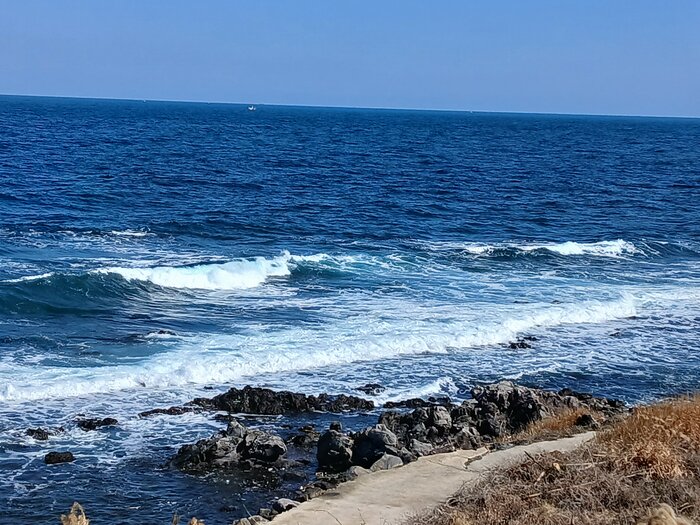
Jeju Ocean View
Making the Most of Your Jeju Experience
The attractions listed above represent highlights across different regions of the island, but experiencing them fully benefits greatly from local knowledge and efficient planning. Weather patterns can shift quickly, affecting visibility at mountain viewpoints or wave conditions at coastal formations. Seasonal timing influences everything from crowd levels to the vibrancy of tea fields and the flow of waterfalls.
A knowledgeable guide, whether assigned as part of a private tour or independently, can provide context that transforms sightseeing into genuine understanding—explaining the geological forces that created Jusangjeolli Cliff's hexagonal columns, sharing legends associated with Yongduam Rock, or revealing the best viewing angles for photography at each location. The stories of the haenyeo, the significance of traditional stone walls, and the cultural importance of shamanic sites become meaningful when explained by someone who understands both the island's past and its present. Whether you have one day or a week to explore Jeju, a local Jeju guide could make all the difference.
Planning to drive yourself? Our rental car guide covers what to know about renting a car in Jeju, and the visitor resources page has weather, airport and emergency information.